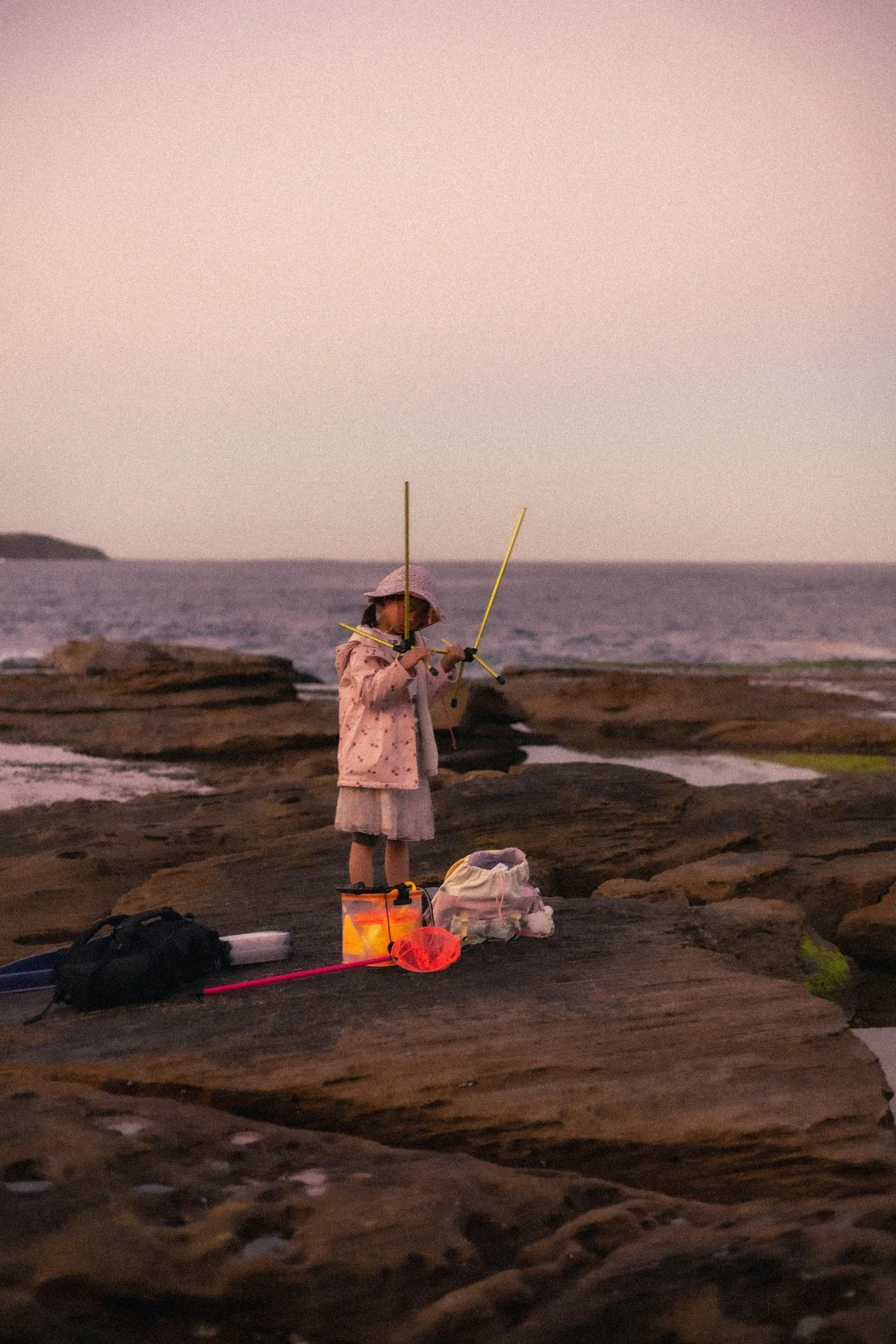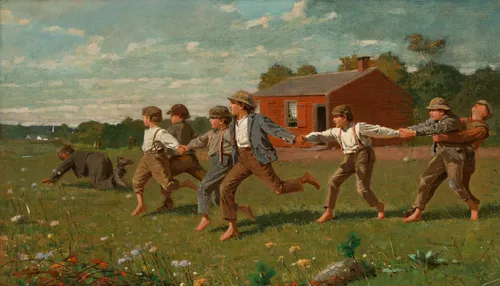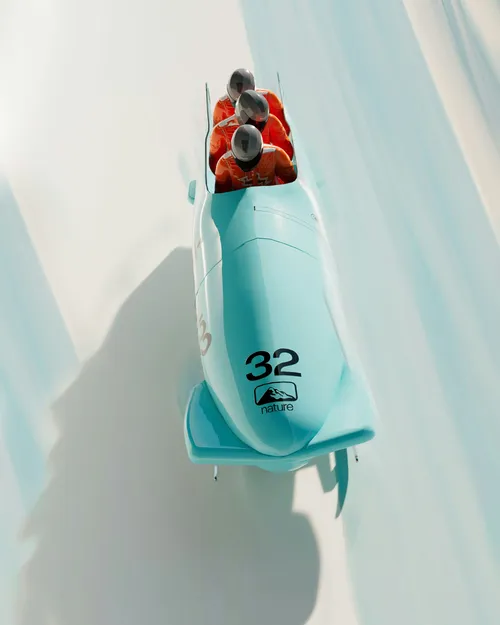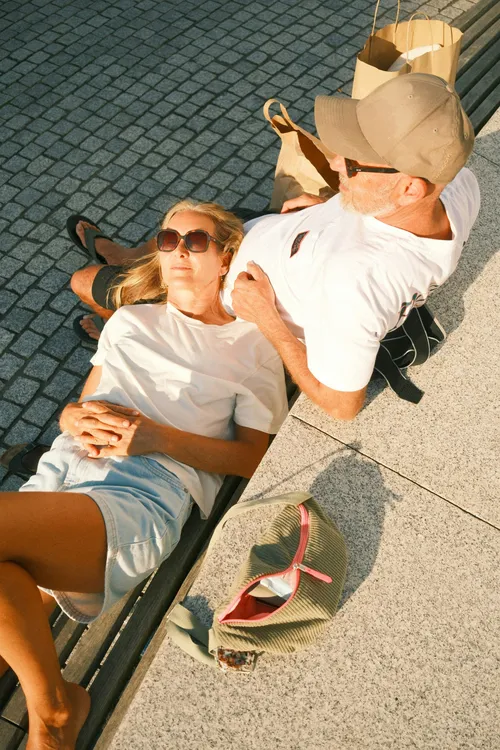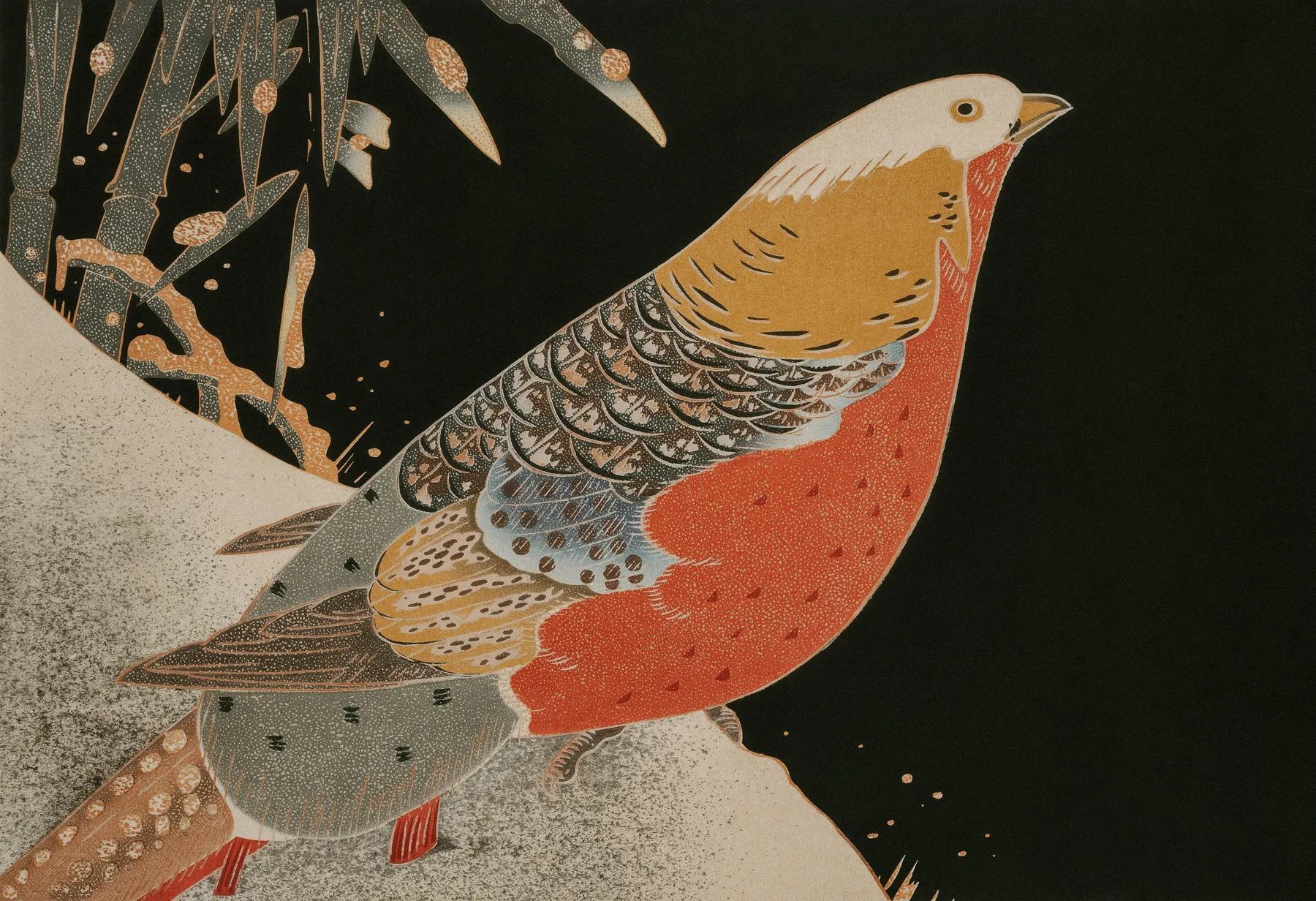

A season gives movement a frame. The same gestures return under different pressure: the warm-up, the pause before a whistle, the repeated route, the tired walk back to position. Over time, repetition becomes form. What changes is the surface around it: weather, color, shadows, crowd noise, and the small adjustments made by bodies that know the pattern but not the day.
Seasonal Form
The eye starts to notice what the scoreboard cannot hold. A line of players waiting to enter, tape on a wrist, a jacket over a bench, the geometry of feet near a sideline. These details make the season feel human. They show preparation, fatigue, patience, and the systems that hold the spectacle together. The public moment depends on private repetitions that rarely become the headline.
Photographing that rhythm requires waiting before and after the obvious moment. The best frame may arrive just after the action, when the body is still carrying effort but the crowd has already looked away. That in-between space gives the story texture. It holds the moment after intensity, when the surface of performance briefly gives way to something more vulnerable.